Modelling turnout in the seats that decide the federal majority
Fourteen marginal constituencies, three turnout scenarios, and the demographic shift nobody has priced in.
The arithmetic of the next federal election is unusually concentrated. On current boundaries, fourteen constituencies account for the difference between a working majority and a hung chamber.
Putrajaya Insight built a seat-level model for those fourteen using the last three federal results, state election turnout, and electoral roll composition by age band.
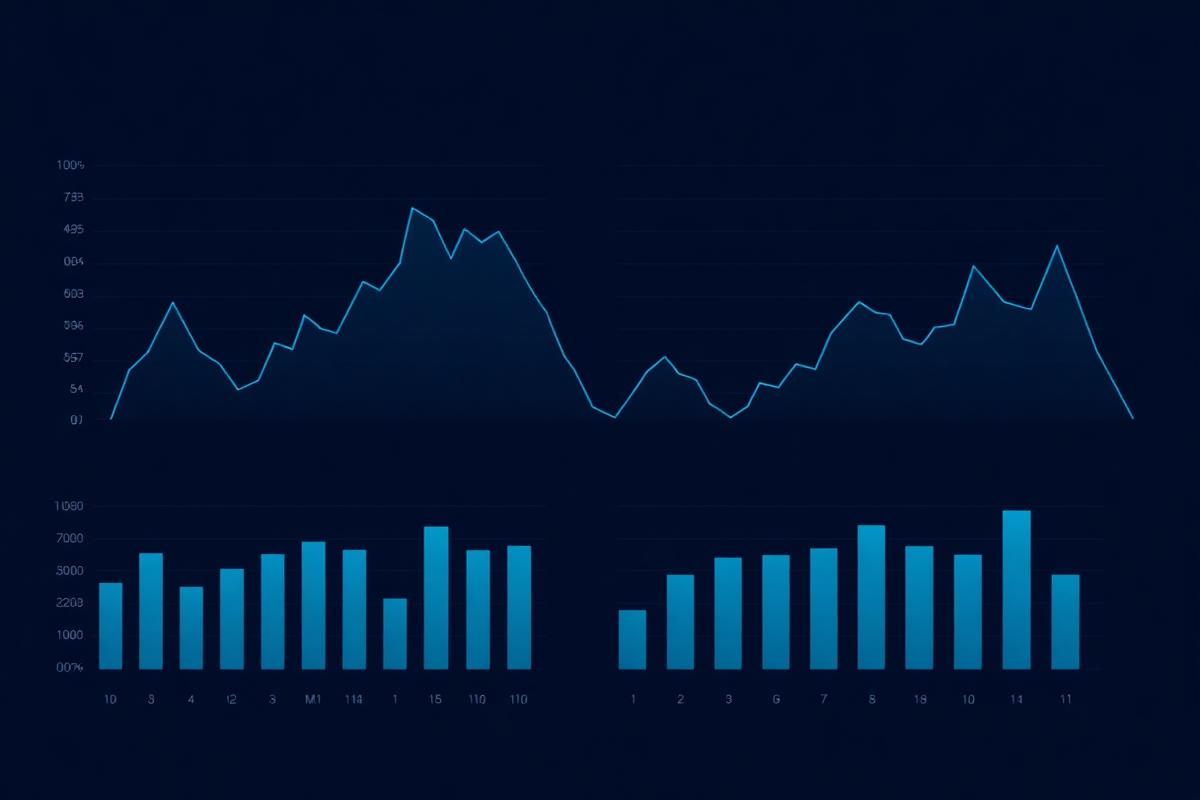
The model runs three scenarios. Under a uniform national swing, most of the fourteen behave predictably. Under differential turnout, they do not.
The sensitivity is driven by the youngest cohort on the roll. In eight of the fourteen seats, voters registered since automatic registration took effect now exceed the 2022 majority. Their participation rate has been consistently lower than the national average, and consistently more volatile.
A five-point movement in that cohort's turnout changes the projected outcome in six seats. A ten-point movement changes it in nine.
The practical implication is that campaign resource allocation matters more than message. Parties that mobilise the newest voters in a handful of constituencies will decide the composition of the next government, regardless of the national vote share.
Filed under